Biomechanics • 7 min read
Do You Have A Deadlift Body? Here's What Scientists Say
The usual answer is a short, thick torso, long arms and big hands. In 59 competitive powerlifters, the frames whose deadlift ran furthest ahead of their squat and bench did have short torsos and long arms. They were also the lightest and thinnest lifters in the room, and the bone that mattered most was the shin.

The Claim
Are you built like an orangutan? That is how the idea usually gets pitched, and it runs like this. The deadlift is a game of levers. A short, thick torso works like a rigid lever and spares the lower back. Long arms mean your hands reach the bar sooner, so your hips can start higher and the bar has less distance to travel. Big hands act like built-in lifting straps. Put those together and you have a deadlift body. The strongest pullers, it says, are not just strong. They are built for it.
You have seen the lived version. Two people at the same gym, the same height, the same years of training. One pulls 200 kg like a warm-up. The other fights 140 with a rounding back. The usual answer is the tape measure, and the orangutan is a good picture. A male orangutan stands about 136 cm tall with an arm span of over 2 m, roughly one and a half times its height.[11] Adult humans sit close to one to one. A span more than 5 percent longer than your height is one of the physical signs doctors screen for in Marfan syndrome.[12] So the real question is whether you were dealt a rare hand of bones.
The question is fair. The answer in the research is interesting, because the study that measured the most powerlifters did find a deadlift body. It just looks a little different from the usual picture.
What The Research Actually Found
The best data comes from 59 drug-tested powerlifters in Quebec, average deadlift 249 kg, who were measured thirty ways, from fingertip reach to hip girth.[1] The authors asked three questions. Who pulls the most? Who pulls the most for their bodyweight? And whose deadlift is the biggest share of their squat, bench and deadlift total, which is the closest thing the research has to "built for the deadlift"?
Who pulls the most was easy. Size did it. Torso girth tracked the absolute deadlift at r = 0.69, lean body mass at 0.66 and bodyweight at 0.64. No bone ratio came close. For the second question, pulling the most per kilo of bodyweight, every limb ratio in the table was a null except reach relative to height, at r = 0.37, and hip girth relative to height, at 0.27.[1] Long arms help. We covered that on the long arms page, and the effect is modest: about 14 percent of the spread in relative deadlift strength.
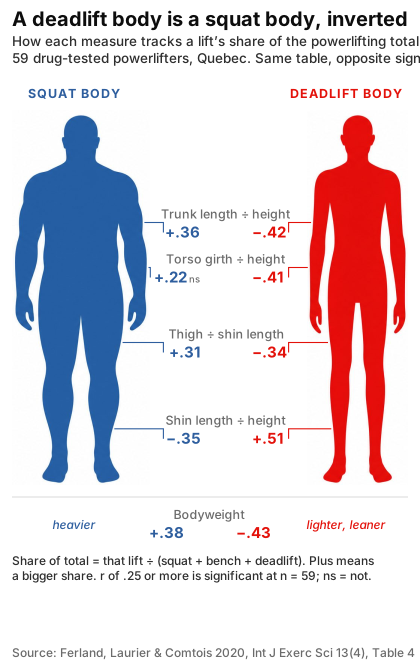
The third question is where the deadlift body lives, and it has a few surprises. The lifters whose deadlift made up the biggest slice of their total had shorter trunks for their height (r = -0.42), longer shins for their height (r = +0.51, the strongest proportion in the whole column), longer reach (+0.36) and relatively short thighs (thigh to shin, -0.34). They were also lighter (-0.43), leaner (-0.47) and smaller around the torso (torso girth to height, -0.41).[1] The authors put it in one sentence: a deadlift specialist "would generally be younger, lighter, thinner, less muscular, have a smaller waist and torso circumference, shorter trunk and thighs and longer lower legs, reach and forearms."
Now read that against the squat. In the same 59 lifters, the squat's share of the total went with a longer trunk (+0.36) and shorter shins (-0.35), the exact opposite signs.[1] The deadlift body really is the squat body turned upside down. Short torso, yes. Thick torso, no. Thickness is what wins the absolute numbers, and it wins them in all three lifts equally.
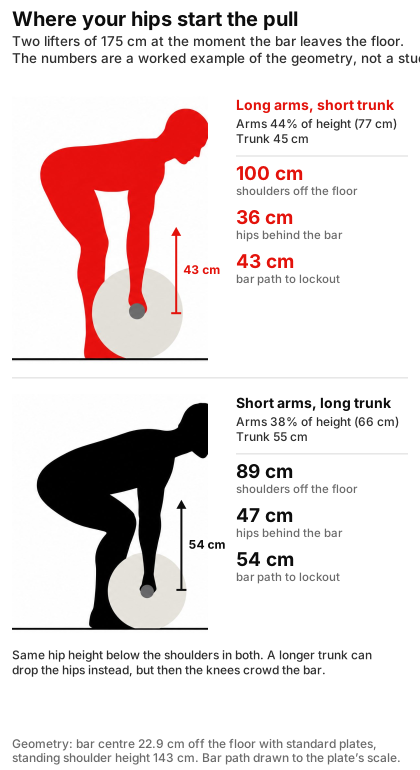
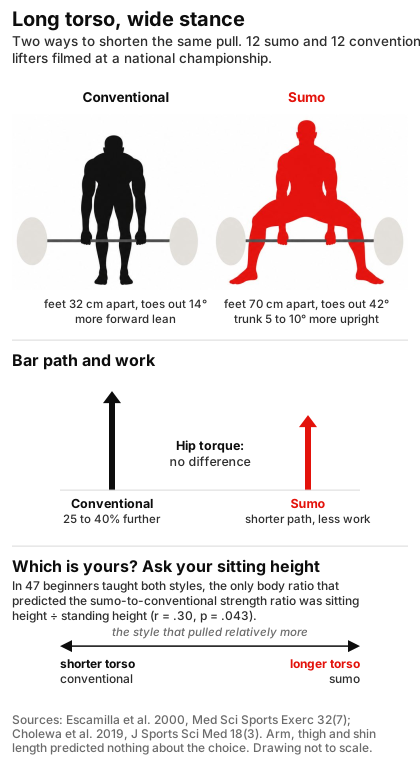
Why would a short torso help? At the bottom of a conventional pull your arms hang straight, so your shoulders sit at bar height plus one arm length. Your hips have to sit within one trunk length of those shoulders. A longer trunk pushes the hips back or down. Back means a longer horizontal lever for the spine to hold. Down means the knees crowd the bar. A study of 47 people who had never deadlifted tested this by teaching everyone both styles.[2] The only body ratio that predicted who did relatively better sumo than conventional was sitting height divided by standing height (r = 0.30, p = 0.043). Longer torsos did relatively better with sumo. Shorter torsos did relatively better with conventional. Arm, thigh and shin length predicted nothing about the choice, partly because every subject counted as "long-armed" by the 38 percent of height cut-off the coaching literature uses.[2][3]
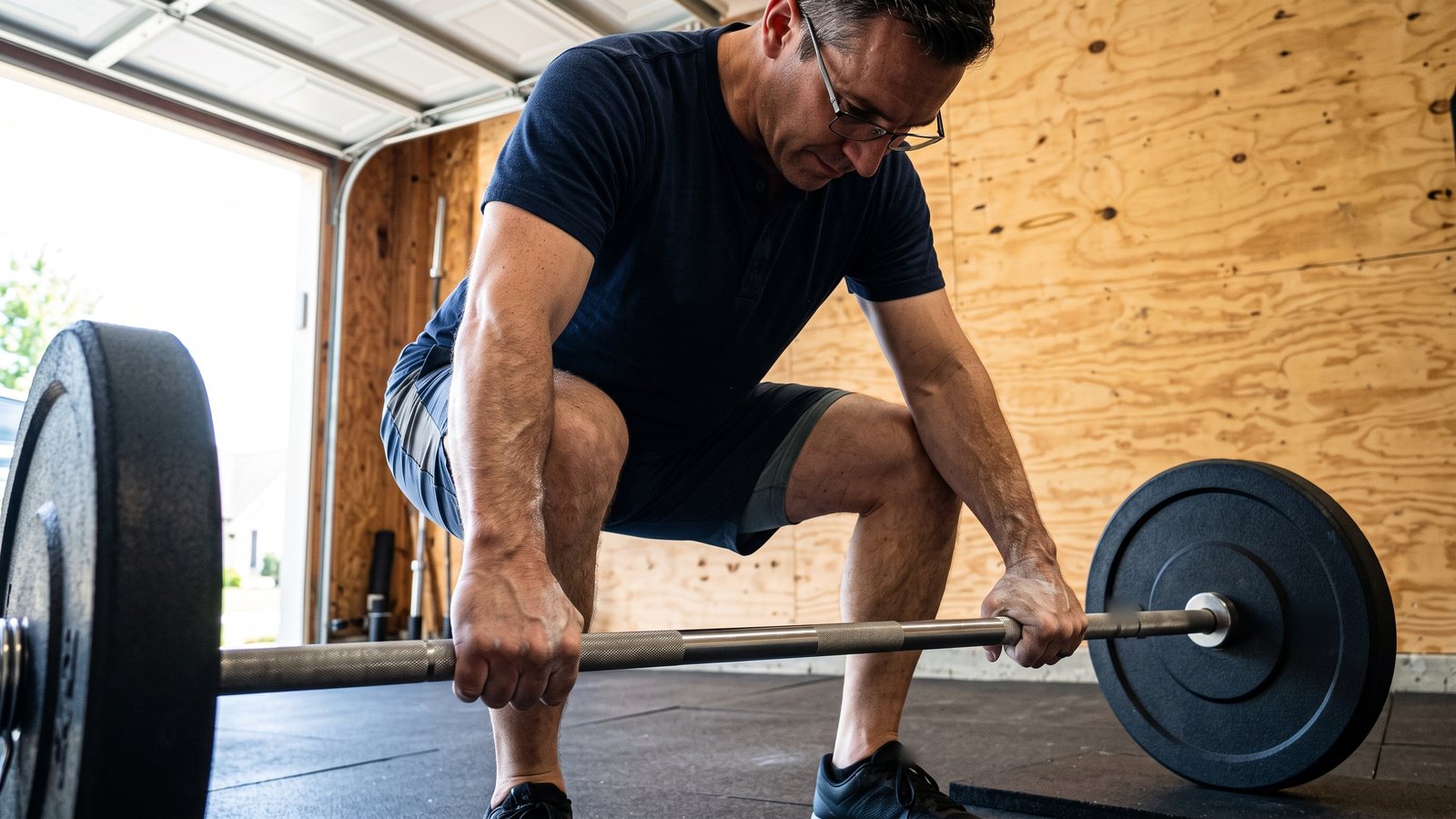
And the hands? Grip is a real ceiling. When 20 trained men deadlifted with and without straps, their one-rep max went from 160.6 kg to 177.0 kg, a 10 percent jump, and the gap widened as the bar got heavier.[4] Whether big hands buy you that grip is less clear. In 80 men, finger lengths, finger spans and hand perimeter all tracked grip strength in the 40 grip athletes, after adjusting for bodyweight. In the 40 men who did not train grip, none of them did. Only forearm girth mattered, at r = 0.41.[5] Big hands act like straps if you have taught them to.
What It Looks Like In Practice
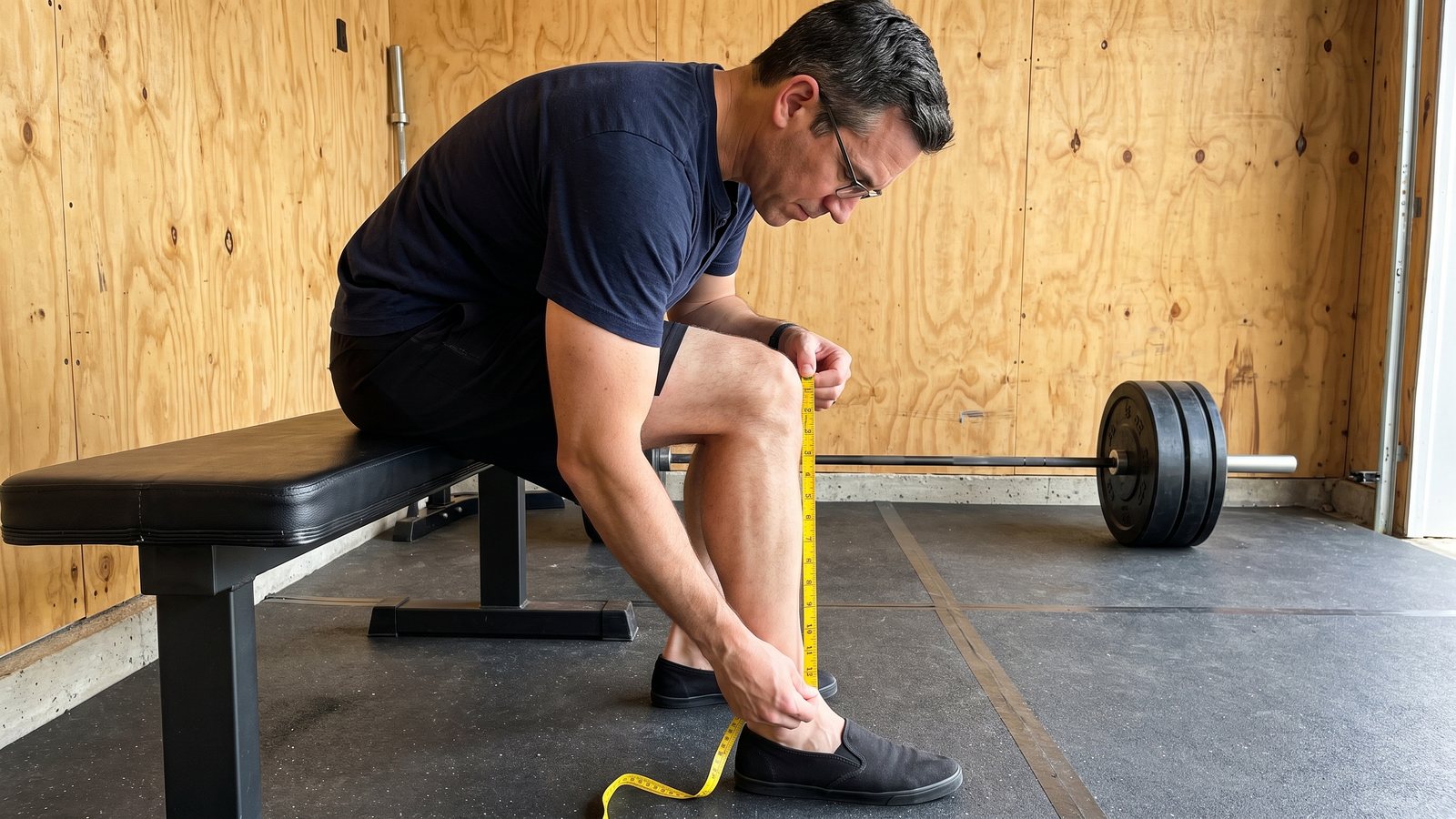
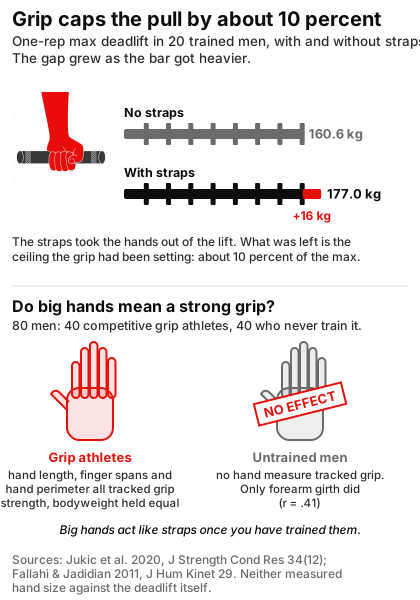
Measure two things. Sit on the floor with your back to a wall, mark the top of your head, and divide that sitting height by your standing height. Then stand up straight and note where your fingertips fall on your thigh. A high sitting fraction means a long torso. Fingertips well past mid-thigh mean long arms. Neither number is a verdict. Both tell you which pull to test first.
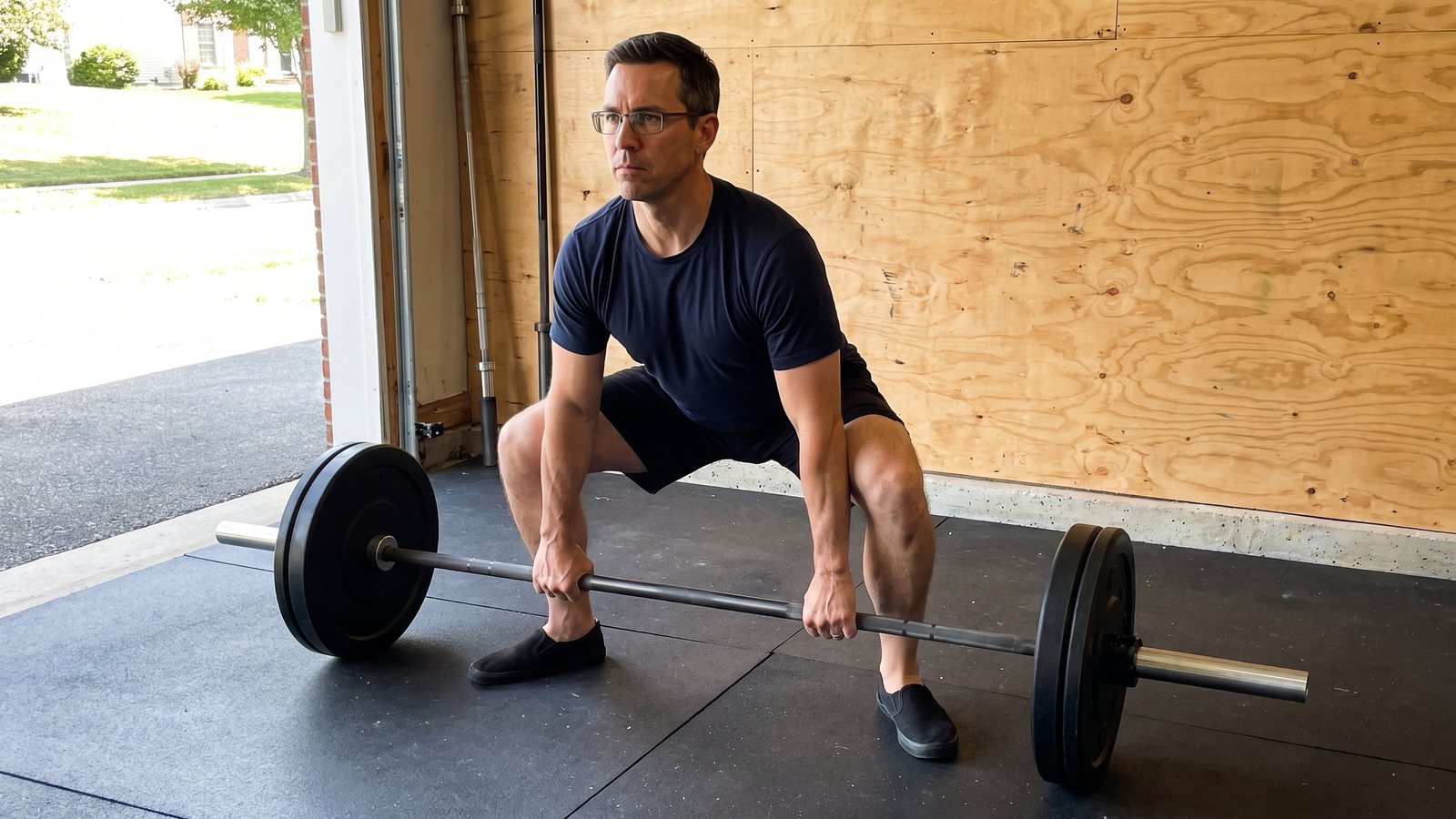
Long torso, ordinary arms: give sumo six weeks. In 24 lifters filmed at a national championship, the sumo pullers stood with their feet 70 cm apart instead of 32, kept the trunk 5 to 10 degrees more upright, and the conventional pullers moved the bar 25 to 40 percent further and did 25 to 40 percent more mechanical work to get there. Hip torque did not differ between the two styles.[6] Sumo is not cheating. It is a shorter path for a longer torso.
Short torso, long arms: conventional is your lift. Your hips already start high. Keep the bar against your shins, pull the slack out of your arms before the plates leave the floor, and let the geometry work. If your shins are long for your height too, expect the deadlift to run ahead of your squat, and be patient with the squat instead of forcing it. We wrote up the squat half of the same study separately.
On grip: at maximal loads use a hook grip or a mixed grip, and train your grip on purpose if your hands are small. Heavy holds at the top of your last set, a thicker bar for your rows, a few weeks of farmer's carries. Straps in training are fine. Sixteen kilos is the size of the gap they close, and that is the number to remember the next time someone calls big hands "natural straps".[4]
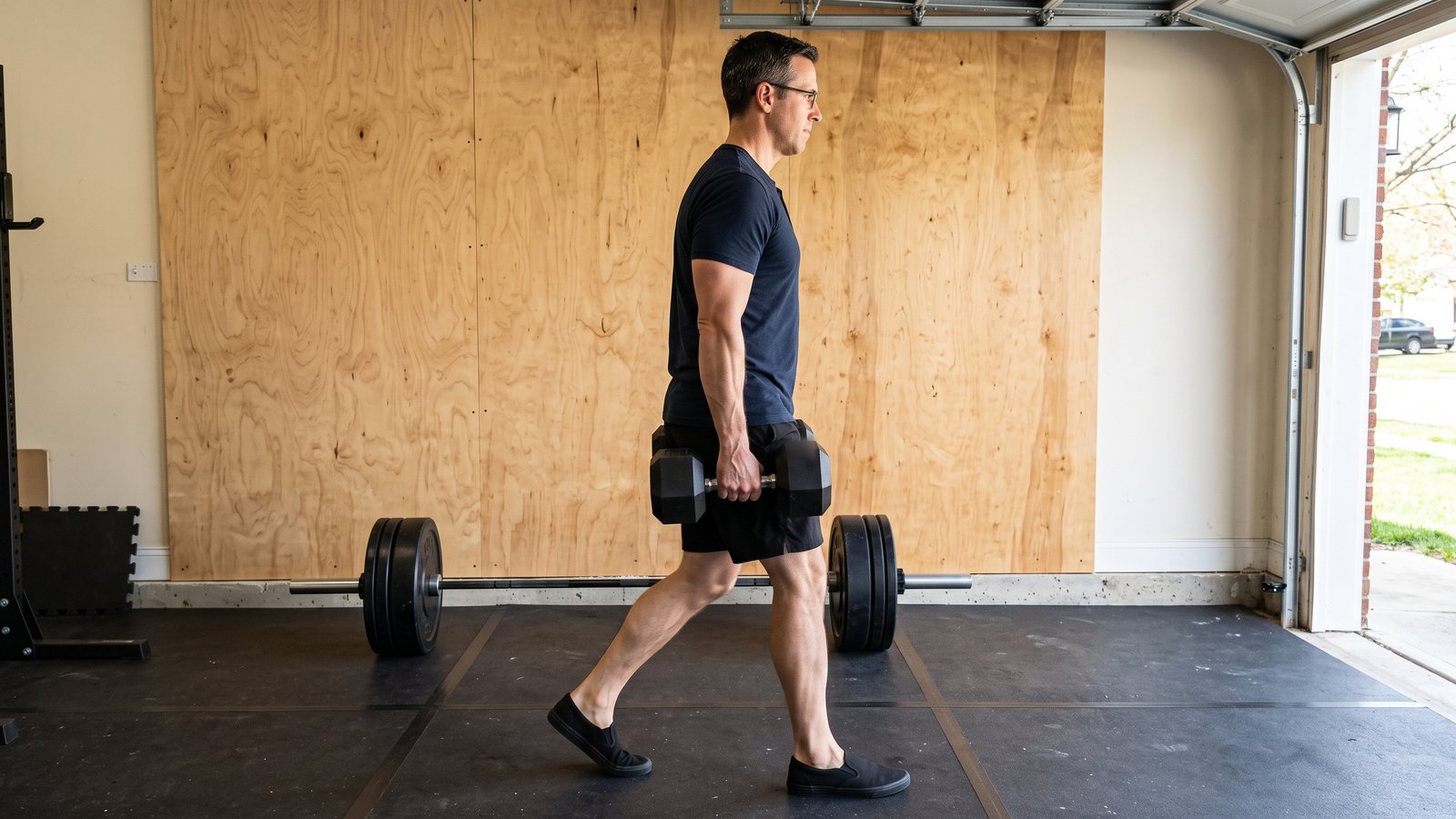
On thickness: the absolute numbers belong to mass. If the goal is a bigger pull rather than a bigger share, the lever you can change is your bodyweight and your muscle, not your bones.[1][9]